Polonnaruwa
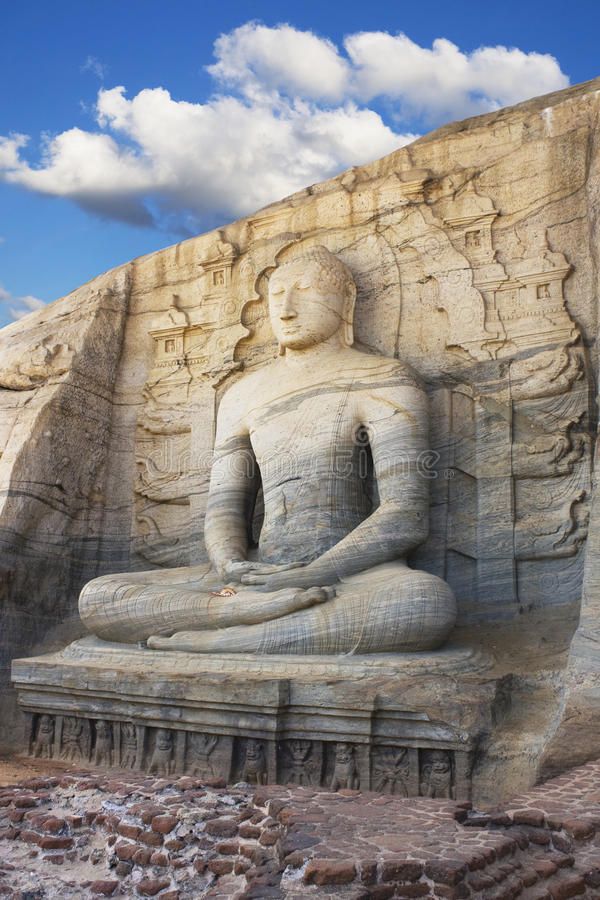
Gal Vihara
Four Buddha statues carved directly into a single granite outcrop, considered among the finest stone carving of the medieval period.
Sri Lanka’s second ancient capital, compact, walkable and remarkably well preserved among quiet parkland and reservoirs.
Polonnaruwa succeeded Anuradhapura as Sri Lanka’s capital in the 11th century, and its ruins are more compact and easier to explore in a single day. The royal palace complex, quadrangle of shrines and the giant rock-cut Buddha statues at Gal Vihara are among the best-preserved medieval monuments on the island.
The surrounding Parakrama Samudra reservoir, built by King Parakramabahu I, still irrigates the surrounding farmland today — a working reminder of just how advanced the era’s hydraulic engineering was.
The must-see landmarks and sights that define a visit to Polonnaruwa.
Four Buddha statues carved directly into a single granite outcrop, considered among the finest stone carving of the medieval period.
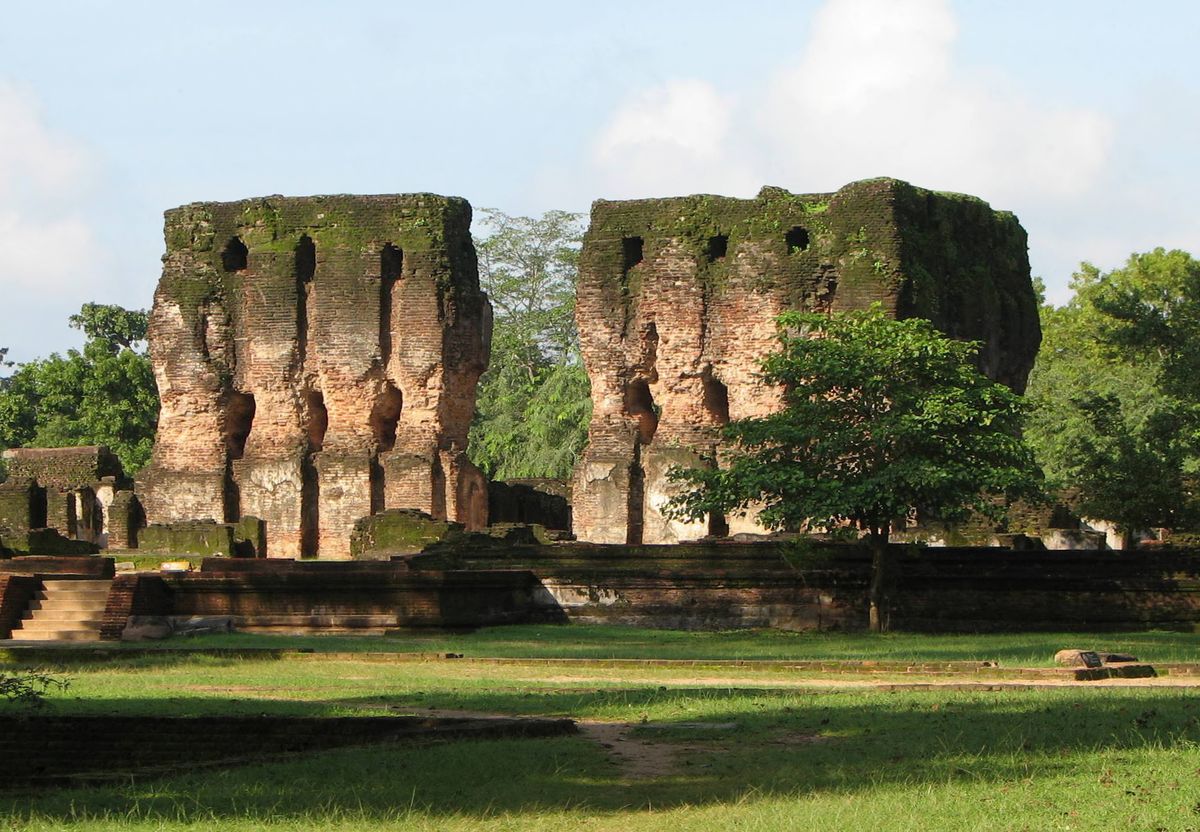
The remains of King Parakramabahu’s seven-storey palace, with walls still standing several metres high.
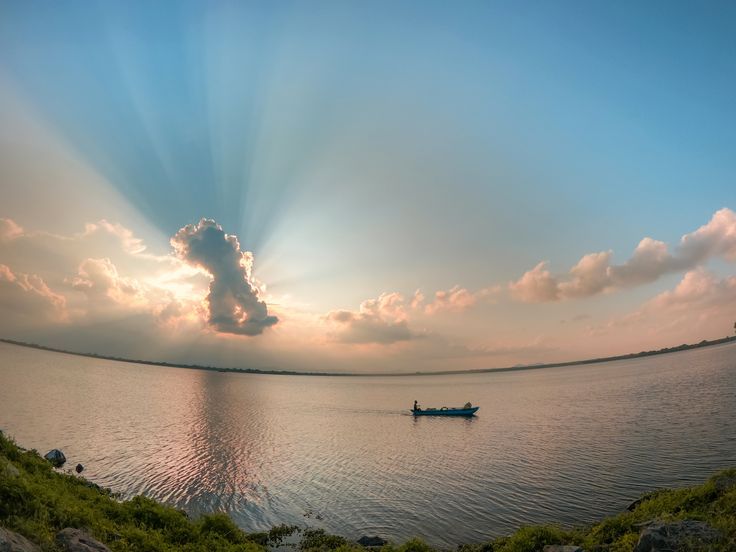
A vast 12th-century reservoir that still irrigates the surrounding rice paddies today.
Plan around 1 day in Polonnaruwa to make the most of what it has to offer.
Tell us when you’d like to travel and we’ll build Polonnaruwa into a seamless Sri Lanka itinerary, tailored to you.
Plan My Trip→